
What is HVAC System? How They Work and Why You Need One
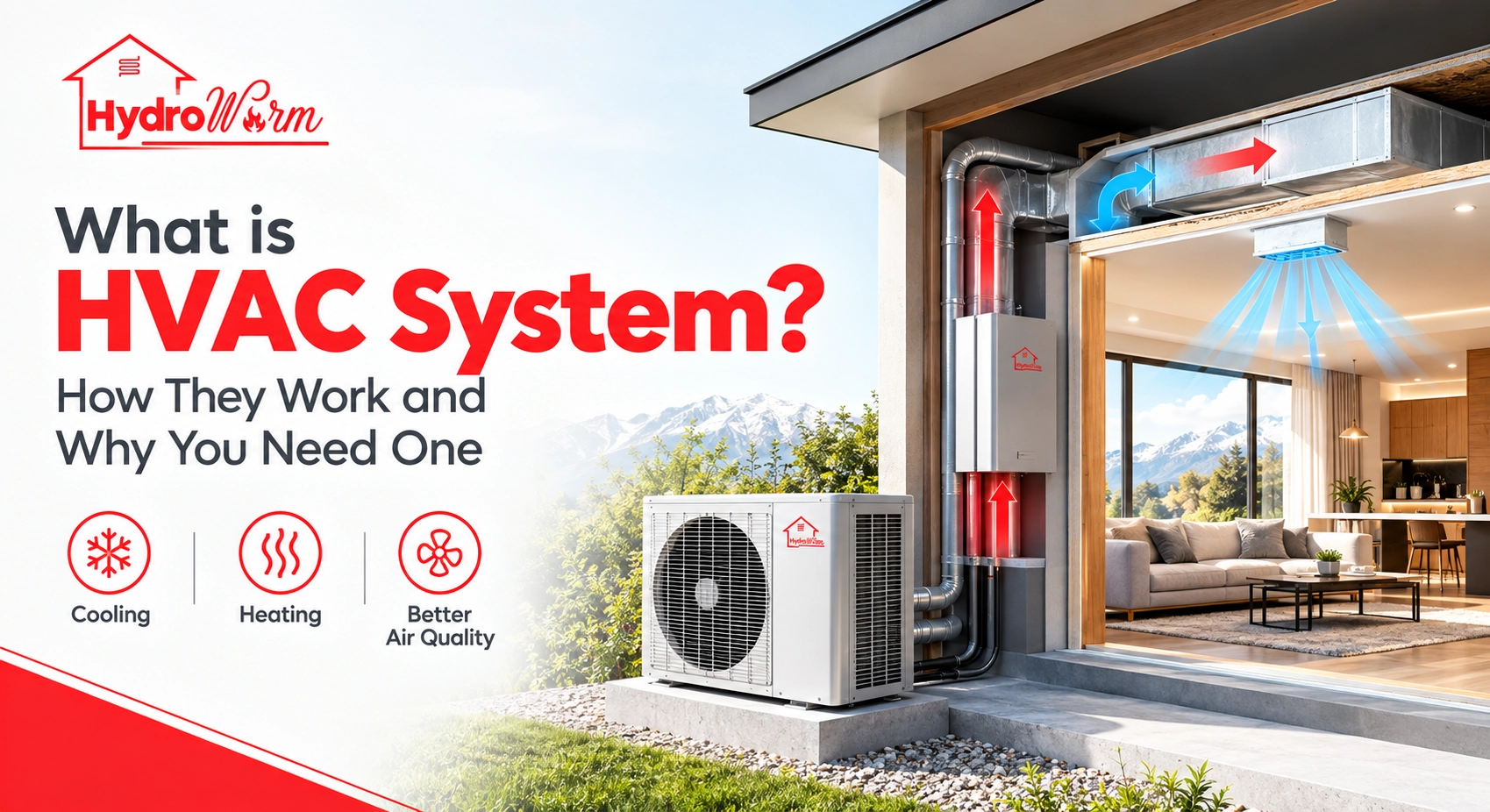
Indoor climate control is essential if you want to maintain your level of comfort and health at home. Most people simply don't understand just how crucial having the perfect systems in place truly is.
Let’s get started with breaking down some essentials about indoor climate control:
In today’s blog post, we’re going to explain exactly how an
HVAC system can help create comfortable temps while
balancing out humidity & fresh airflow in any building.
We’ll break them all down below.
Let’s dive into the
details of what is HVAC System?
If you want to explore other heating system solutions, read about Hydronic Fan Coil Unit.
What is HVAC System & What Does HVAC Stand For?
HVAC stands for Heating, Ventilation and Air Conditioning.
- This is an umbrella term that encompasses all the mechanical technology involved in treating and moving air between indoor and outdoor areas. Modern setups integrate everything into one unified system rather than viewing heating and cooling as entirely separate (ISHRAE).
- Heating – During colder months this component increases indoor temperatures via furnaces, boilers or heat pumps.
- Ventilation – This replaces stale indoor air with fresh outdoor air while also filtering out dust, allergens and other airborne pollutants.
- Air Conditioning – Draws heat out of your home to reduce temperature indoors while removing extra moisture from air during warm weather.
The primary goal of any HVAC setup is straightforward: deliver precise climate control while maintaining healthy indoor air quality across residential and commercial spaces.
Primary Components of an HVAC System
Although setups vary depending on the structure of a building, most rely on four foundational components to keep air moving and conditioned:
- Thermostat – As the name implies, this device acts as both the central control hub and "brain" of the entire system. It constantly monitors the temperature in each room and signals when to turn the equipment on or off depending on your specified setpoint.
- Heating Element – This can either be an old school furnace/boiler or one of the newer heat pump options that's gaining popularity. These furnaces burn either natural gas or electricity for heating power, while heat pumps suck up thermal energy from the outside air.
- Air Conditioning Unit – Containing all kinds of advanced technology (like the compressor, condenser coil, and evaporator coil), AC units draw in chemical refrigerants designed to soak up indoor heat and transfer it outdoors.
- Ventilation Unit – Consists of ductwork, blower fans, air vents, and air filters. Circulates treated air into living spaces while pulling contaminated air out.
How Does an HVAC System Work?
The operation follows a continuous cycle designed to regulate temperature and maintain clean air movement throughout every room:
- Temperature Sensing & Triggering – The thermostat continuously monitors the current indoor air temperature. If it deviates from the desired level, the device sends a low-voltage electrical signal to trigger the operation of either the heating or cooling system.
- Thermal Exchange Process – For cooling purposes, an air conditioner draws warm air into cold evaporator coils filled with refrigerant that absorbs the heat. To generate warmth for space conditioning systems (heating), a furnace or heat pump heats up the air by burning gas or via electricity as part of heat exchange.
- Air Circulation / Ventilation + Air Filter – During this process, heavy-duty air filters trap dusty air through return vents, capturing pollen, pet dander, and airborne particles. Dampers regulate the amount of air going into each area based on ventilation needs.
- Distribution of Treated Air – Powerful blower fans push conditioned, filtered air through supply ductwork to distribute fresh, clean air evenly through floor and ceiling vents throughout living areas.
If you want to discover more about types of heating systems, read our dedicated guide on Types of Central Heating Systems for Home.
Common Types of HVAC Systems
Different buildings require different equipment configurations based on layout, existing infrastructure, and regional climate demands:
| System Type | Best For | Key Features |
|---|---|---|
| Split Systems | Traditional single-family homes with existing ductwork | Uses separate indoor (furnace/evaporator) and outdoor (compressor/condenser) units connected by copper lines. |
| Hybrid Systems | Variable climates with fluctuating fuel prices | Combines an electric heat pump with a natural gas furnace, automatically switching fuels for maximum energy efficiency. |
| Ductless Mini-Splits | Older homes, additions, or individual room control | Uses individual wall-mounted blowers linked to an outdoor compressor, eliminating the need for bulky ductwork. |
| Packaged Systems | Commercial buildings or homes with limited indoor space | Houses all heating and cooling components together in a single outdoor cabinet, usually installed on a roof or concrete slab. |
Why is a Good HVAC System Important?
Investing in a high-performance system has many benefits that extend beyond just controlling room temperature. It changes your daily living environment while influencing long-term energy costs:
- Year-Round Thermal Comfort – Complete control over living conditions no matter the season. You won't need to worry about cold winters or hot summers since these systems allow seamless climate adjustments.
- Enhanced Indoor Air Quality – Traps dust, mold spores, and pollutants via continuous filtration, alleviating allergy symptoms and respiratory issues.
- Lower Energy Consumption – Modern high-efficiency systems employ advanced inverter technology which dramatically reduces energy consumption, translating into lower monthly utility bills.
- Moisture / Humidity Control – Maintains Relative Humidity between 30%–50% to prevent mold growth and protect against wood warping or structural damage.
Essential Maintenance Tips
Proper upkeep ensures no unexpected breakdowns that would compromise air quality or put family health at risk, while prolonging component lifespan and maximizing energy efficiency:
- Clean or Replace Filters Monthly – Inspect air filters once a month and replace as needed (every 1-3 months) to avoid restricted airflow.
- Maintain Outdoor Condenser Unit – Remove leaves, grass clippings, dirt, and foliage near your outdoor condenser. Ensure at least 2 ft of clearance around the exterior unit for good airflow over coils.
- Book Professional Bi-Annual Servicing – Schedule professional HVAC technician servicing twice yearly (spring for cooling and autumn for heating) to inspect refrigerant levels, test electrical connections, and lubricate moving parts.
- Upgrade to a Smart Thermostat – Install a programmable or smart thermostat to automatically adjust temperatures during sleep or away times for optimal energy usage.
Confused about Underfloor or Radiator heating systems? Read our guide on Radiators vs. Underfloor Heating Systems.
Having an efficient HVAC system means having the foundation for a healthy and comfortable indoor environment. By understanding how they work and providing basic routine maintenance, you can experience consistent comfort while managing energy bills for decades.
Are you ready to upgrade your home's climate control or do you need expert maintenance? Contact Hydrowarm today for professional HVAC solutions, expert installation, and tailored advice.
You may discover all our products here.


