
Types of Central Heating Systems for Home: The Complete Guide
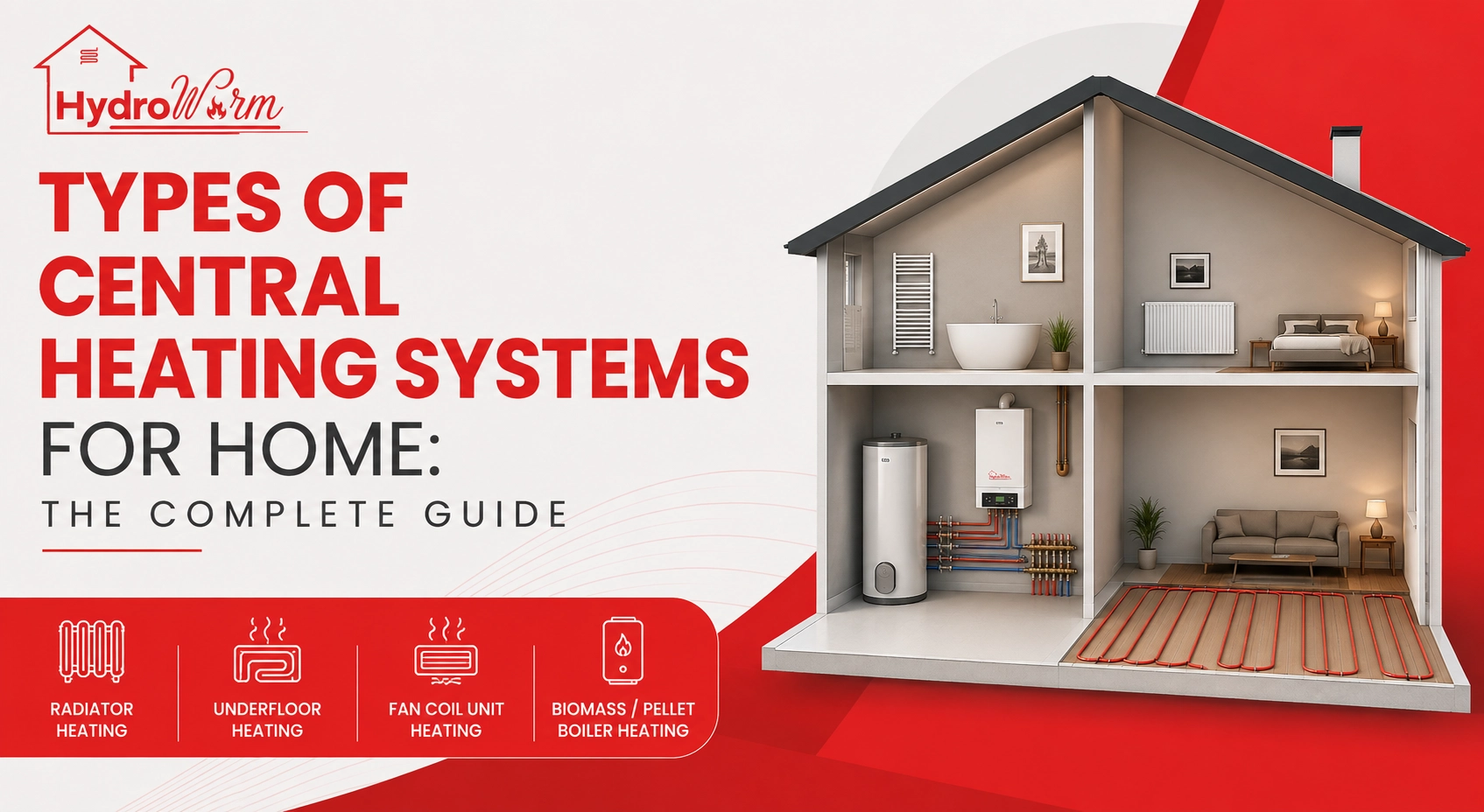
With cold winters hitting all around us, having a good heating system in place becomes important. Most of us rely on standard space heaters that fail to heat up larger areas adequately and even create cold zones in hallways.
Investing in a whole house setup can transform your living conditions entirely.
Choosing the Right Central Heating System for Your Home
When looking at types of home heating systems explained in modern home building, whole-home setups outperform standalone units easily. Space heaters warm only immediate surroundings while central infrastructure distributes steady warmth into every room. You eliminate drafty corners and reduce dangerous electrical loads on individual wall sockets.
Energy efficiency drives today's home heating choices. High fuel costs and environmental concerns prompt families to seek the best central heating system for home applications. Evaluating central heating vs localized heaters reveals that centralized installations save considerable energy over time through smarter fuel utilization and centralized thermostat controls.
In this detailed guide you will explore various central heating options, water-based hydronic circuits, solar thermal integration, ground and air heat pumps, and standard boilers. Understanding these technologies helps you pick a setup tailored to your climate and budget.
If you are confused between Radiators or Underfloor heating, check out this guide on Radiators or Underfloor? Best Heating System for Kashmir (Hydronic).
Hydronic Central Heating Systems - Uniform & Dust-Free Comfort
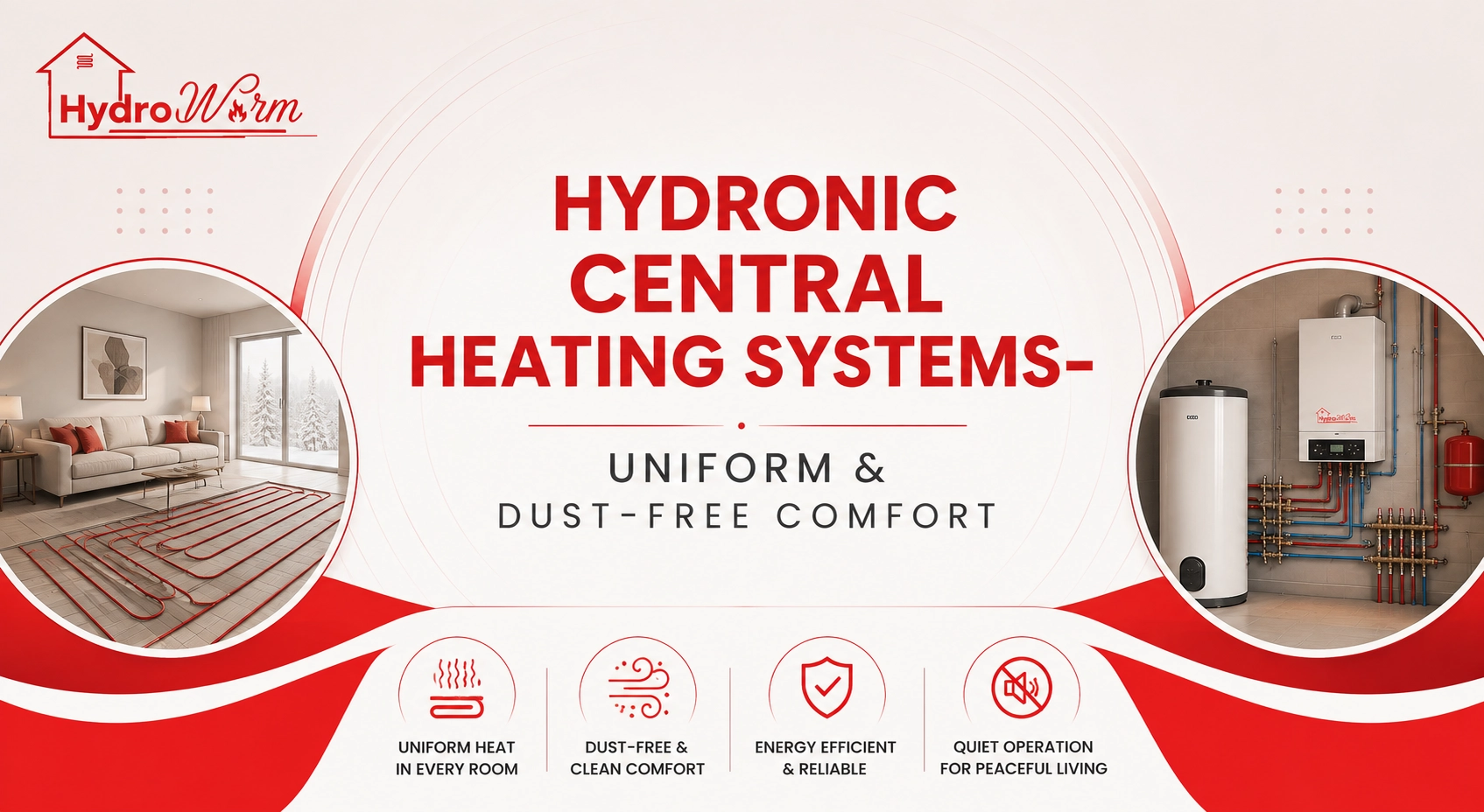
Water carries thermal energy far more efficiently than air. A hydronic central heating system relies on conditioned water moving through sealed loops to supply quiet, radiant warmth throughout your entire house.
How Hydronic Systems Work (Pipes, Boilers & Manifolds)
There’s a heat source that warms the water to specific temperatures. This heated liquid goes through circulating pumps that move them through PEX or copper piping. Insulated pipes connect everything to the system’s central distribution manifolds, which regulate flow between each room loop for balanced temperature control throughout your home. If you’re wondering how do hydronic heating systems work?, understand what thermal radiation really means here – rather than blowing dusty air out from ceiling vents, water-filled loops gently radiate heat towards floors or via wall radiators!
Radiant Underfloor Heating vs. Hydronic Radiators
Homeowners usually choose between two primary emitter types:
- Radiant underfloor heating system: Features flexible pipe installation underneath tiles, wood, or concrete to create a massive low-temperature radiator effect.
- Hydronic radiators: Modern versions of traditional panel radiators mounted onto walls for excellent thermal response at significantly lower water temperatures than traditional steam radiators.
Underfloor installs give the best barefoot experience but can be difficult to retrofit into existing buildings - wall units are great if you have an older multi-story home.
Pros & Cons of Water-Based Heating
Hydronic systems eliminate circulating dust, allergens, and cold drafts. They run near silently and allow independent room temperature control through smart zone valves. Initial installation requires significant labor, particularly when retrofitting existing floors. However, minimal maintenance is needed once the sealed loop operates properly.
Solar Central Heating Systems - Harnessing Renewable Energy
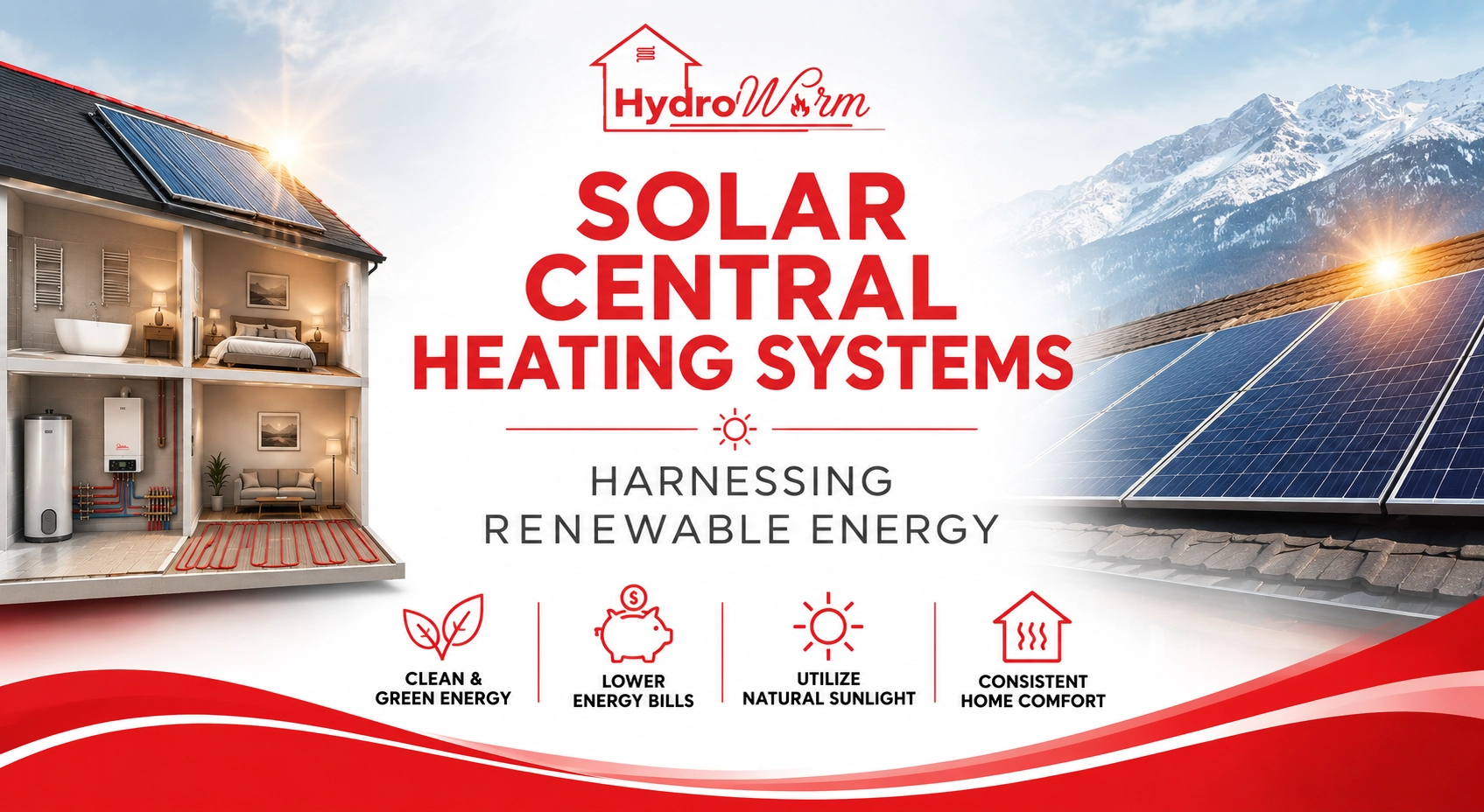
Solar thermal collectors offer a powerful method to cut winter heating utility bills by converting direct sunlight into usable domestic heat.
Flat Plate Collectors vs. Evacuated Tube Collectors (ETC)
Two main collector designs dominate residential solar installations:
- Flat Plate Collectors: These are insulated weatherproof boxes with dark absorber plates under tempered glass. Flat plate collectors work really well if you live in a place with a moderate, sunny climate.
- Evacuated Tube Collectors (ETC): It consists of parallel glass vacuum tubes that minimize the chances of conductive heat loss. ETC setups can also efficiently catch solar radiation even on freezing, cloudy days.
Integrating Solar Thermal with Hydronic Systems
Solar central heating systems do not replace backup heaters entirely during deep winter storms. Instead, solar thermal heating pre-heats liquid inside a dual-coil thermal storage tank. Your primary boiler or heat pump then requires far less grid power to raise the water to final operating temperature. This hybrid operation delivers consistent indoor warmth while harvesting free solar energy whenever available.
Also check, The Complete Guide to Centralized Geysers and Central Heating Systems for Kashmir Homes.
Long-Term Savings & Carbon Footprint Reduction
A lot of people wonder if you can use solar power for your home’s central heating system. Choosing eco-friendly home heating options can reduce household carbon emissions by significant proportions. Solar thermal collectors are able to convert up to 70% of the absorbed solar radiance directly into useful heat.
This means that when used alongside properly insulated storage and hydronic distribution systems, solar thermal energy will be covering a very large proportion of all of your house’s heating needs during the cold winter months. The end result is reduced energy bill costs, which will continue to save you money for many years ahead.
Heat Pump Systems (High-Efficiency Climate Control)
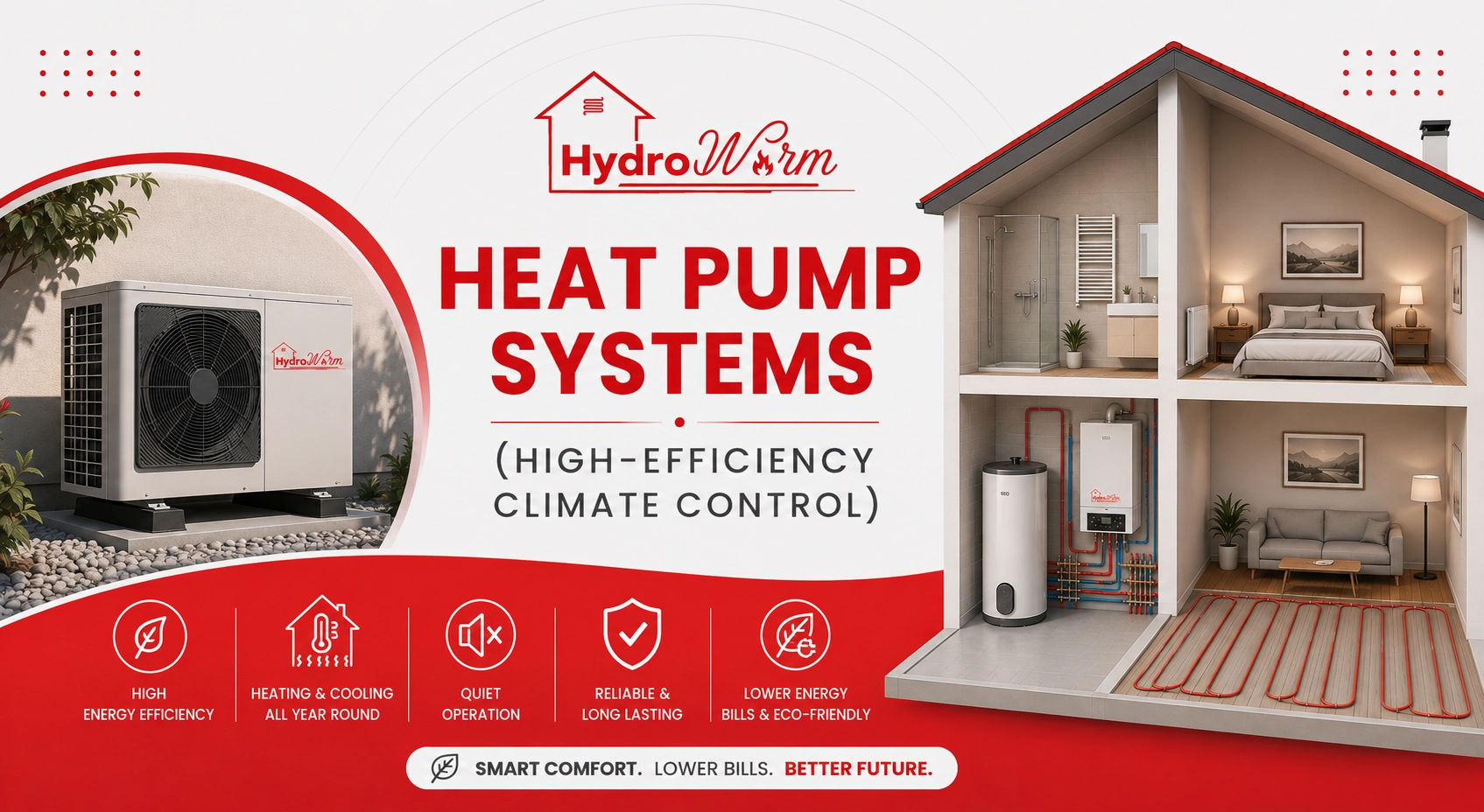
Heat pumps rank among the fastest-growing modern climate solutions because they move existing thermal energy rather than burning fossil fuels to create it.
Air Source Heat Pumps (ASHP) - Air-to-Water & Air-to-Air
These systems extract heat energy from your outdoor ambient air - even when temperatures are below zero.
The most popular types of heat pumps are classified as either "air to water" (which use the captured heat to heat a hydronic loop that feeds floor circuits) or "air to air," which uses them to heat ducted networks or ductless mini-split units with high efficiency rates thanks to modern inverter compressors.
Geothermal (Ground Source) Central Heating
Geothermal central heating systems tap into stable underground temperatures using buried ground loops. Subterranean soil temperatures are around 50-55°F (10-13°C), which means ground source heat pumps get incredibly efficient seasonally regardless of what’s going on at the surface- like frost or wind!
Why Heat Pumps Excel in Modern Energy-Efficient Homes
Heat pumps deliver up to 3 to 4 units of thermal energy for every single unit of electricity consumed. This extraordinary efficiency makes them the most energy efficient central heating choice available for well-insulated modern homes.
They also offer dual-mode operation providing efficient summer cooling through reverse refrigeration cycles.
Boiler & Ducted Systems: Traditional Central Heating
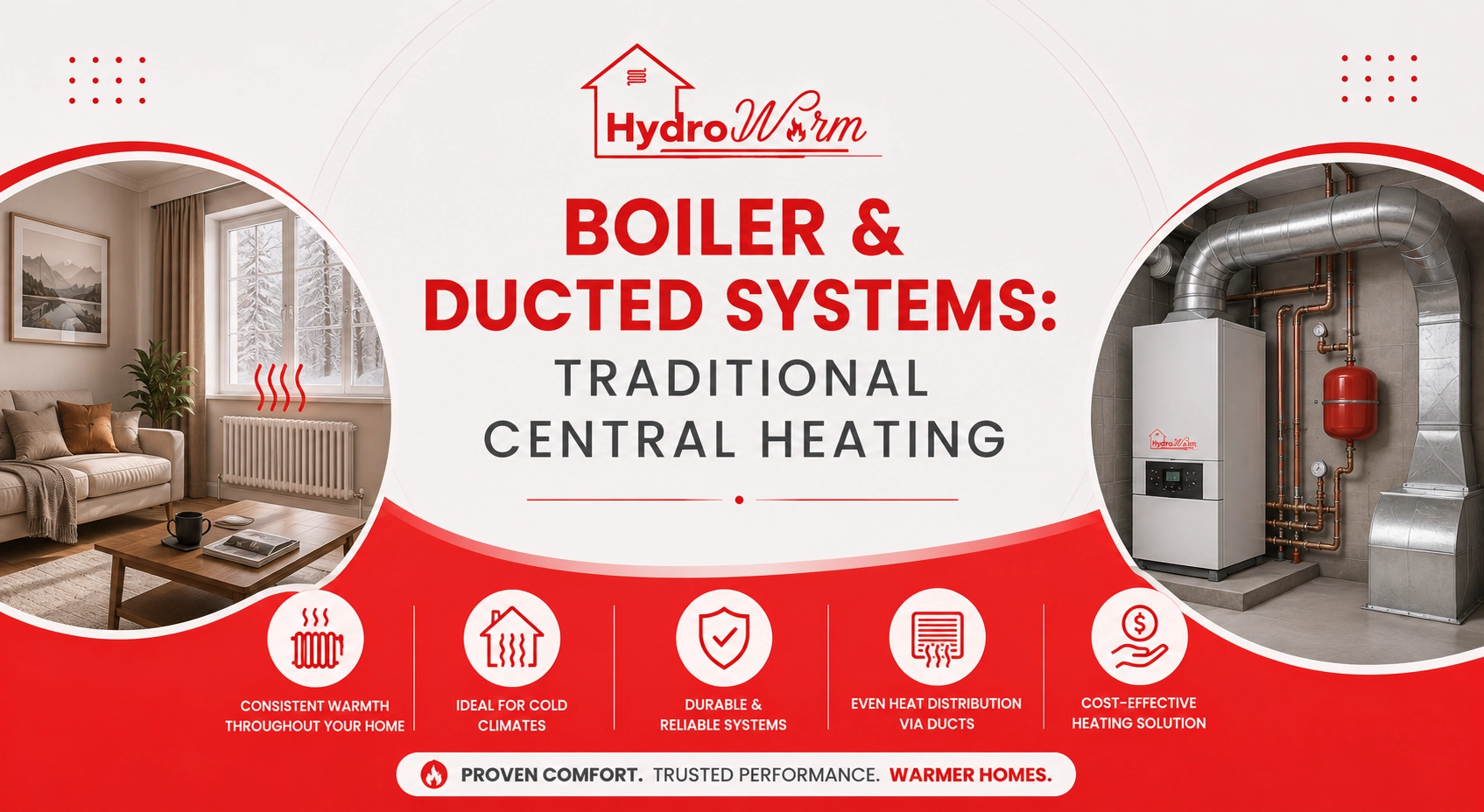
Traditional combustion and direct electric setups remain widespread across existing residential neighborhoods due to lower initial hardware costs.
Combi Boilers & System Boilers (Gas & Oil)
Combi boiler central heating units heat your water direct from the main supply when you open a tap or thermostat (meaning no more big ugly cold water storage tanks). System boilers store your hot water in their own dedicated cylinders – great if you’ve got a large family with lots of people all using multiple bathrooms at the same time.
Electric Central Heating Systems
An electric central heating system utilizes resistance elements or electric boilers to heat distribution water. While installation costs stay low and zero local emissions occur, high per-kWh electric rates can make continuous running expensive in large uninsulated properties unless paired with solar photovoltaics.
Ducted Warm Air Heating (Furnaces)
Furnaces burning natural gas or propane heat air directly over a heat exchanger. These force it through ductwork. While ducted warm air heating raises room temperatures quickly, forced air currents can spread dust particles and cool down rapidly once the blower shuts off.
How to Choose the Right Heating System for Your House
Selecting the best system requires matching your home structure, climate zone, and financial plan. It depends on various factors such as fuel availability, comparing upfront installation cost and operating expense.
Fuel Availability & Regional Climate Considerations
Check local utility rates before committing to a fuel source. Natural gas works well where pipeline infrastructure exists, while heat pumps and solar hydronic systems dominate areas relying on expensive fuel oil or propane deliveries.
Upfront Installation Cost vs. Operating Expenses
Evaluating central heating system cost and installation requires balancing initial capital investment against 15-year operational costs. High-efficiency equipment like geothermal loops or radiant underfloor networks costs more upfront but slashes monthly utility expenditures dramatically.
System Comparison Matrix
When comparing central heating systems, review this summary of lifespan, efficiency, and ideal use cases:
| System Type | Thermal Efficiency | Expected Lifespan | Primary Benefit | Best Use Case |
|---|---|---|---|---|
| Hydronic Radiant | Very High (90-95%) | 30-50 Years | Dust-free uniform warmth | New builds & major renovations |
| Solar Thermal Hybrid | Ultra High (Free solar input) | 20-25 Years | Lowest operating expense | Sunny to moderate cold regions |
| Air Source Heat Pump | High (COP 3.0-4.0) | 15-20 Years | Heating & cooling dual function | Mild to moderate climates |
| Geothermal Heat Pump | Highest (COP 4.0-5.0) | 25-50 Years (Loops) | Unmatched efficiency | Large properties & cold climates |
| Gas Combi Boiler | Medium-High (85-95%) | 10-15 Years | Compact footprint | Urban apartments & retrofits |
| Ducted Forced Air | Moderate (80-90%) | 15-20 Years | Rapid air warming | Existing homes with ductwork |
Learning how to choose the right heating system for your house comes down to long-term priorities. Prioritizing healthy air quality and low bills points clearly toward hydronic and renewable combinations.
Conclusion: Investing in Smart, Sustainable Home Warmth
Looking to install the best kind of central heating system for maximum home comfort?
While many homeowners choose traditional fossil fuel-based boilers or forced air furnace systems due to their relatively low initial cost, we’re here to tell you that when you pair up high-quality hydronic distribution technology with cutting-edge solar thermal collector or air to water heat pump tech, the results are far superior! Not only will this give you optimal home comfort & air quality year round, but it also means incredibly reduced power bills month on month!
If you're ready to learn more about exploring various options of different types of central heating systems to make your own unique sustainability upgrade for your property, reach out today to talk to our team of expert engineers from Hydrosolar.in. We'll help you design an entirely personalized, super energy efficient solution based upon how exactly YOUR home looks & feels, plus what specific climate conditions it experiences most often!


